Data Shown Malina Casino Shows Winning Figures to Canada
, View on Google Map


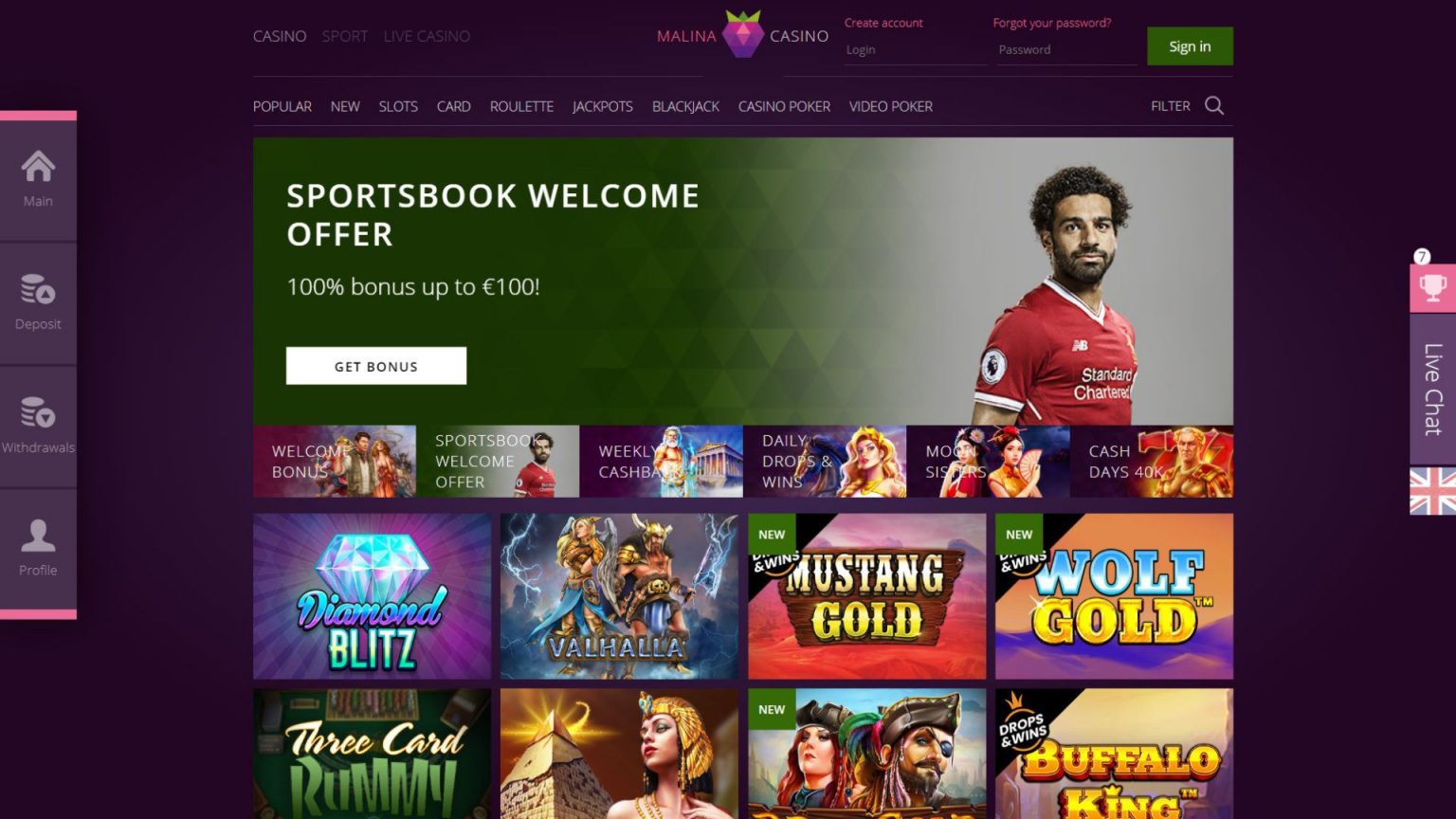
We recently spent several hours exploring the malinacasino platform, and one thing kept stealing our attention from the games: a live feed of recent winning numbers and payout amounts. It’s right there in the open, no menu digging or pop‑up needed. For Canadian players, where fairness and payout proof define gambling discussions, that kind of transparency grabs you. We decided to take a close look at how it works, watch it during busy hours, and figure out if it actually helps you pick games—or if it’s just a subtle nudge to keep spinning. What we saw suggests that with real‑time data integrity, a tool like this can genuinely shape how you choose games and manage risk.
Why Transparency in Win Displays Matters
Creating Confidence with Public Data
In a field where players rely on license badges and third‑party audits, a live win feed adds a layer of social proof that static certificates cannot match. Witnessing a constant stream of real payouts turns the abstract “certified RNG” label into something concrete. We’ve communicated with plenty of Canadian online casino users who continue to question whether games are “due” to hit or operators throttle wins at certain hours. A transparent display won’t silence every conspiracy theory, but it makes it a lot harder for unfounded suspicions to stick. The psychological effect is significant: seeing a win pop up from someone in your own time zone—maybe even your own province—makes the idea of regular, unbiased payouts seem ordinary. That feeling of seeing a neighbor’s win can dissolve skepticism faster than any audit badge.
Reducing the Fear of Rigged Games

One of the primary hesitations we encounter from first‑time depositors is the fear that online slot machines and casino table games are programmed to never allow wins anything substantial. The Malina Casino’s display directly counters that narrative by presenting a continuous stream of four-figure and sometimes five‑figure wins. We took screenshots of numerous wins over CAD 5,000 on famous NetEnt and Pragmatic Play slots inside a single hour—not cherry‑picked, just what the ticker served up. This isn’t to say those games exceed their declared RTP, but it does demonstrate that the promised max win potential isn’t just speculative. For Canadians accustomed to examining provincial gaming commission reports, this real-time visual confirmation lessens the thinking required to have confidence in a new casino. That kind of transparency is a effective rebuttal to the “rigged” narrative.
- It delivers real-time proof that winnings occur across all stake levels.
- It demystifies the unpredictability of slots by showing clusters of wins without suggesting predictability.
- It allows you to confirm that the games you are considering are actively paying out to genuine users.
- It acts as a safeguard against operators who might instead only promote carefully chosen jackpot announcements.
We also observed that the display contains live dealer wins, which is more unusual. Seeing a CAD 1,200 win on a Lightning Roulette straight‑up bet appear moments after the ball drops adds an credibility that no generic “big win” pop‑up can replicate. Presenting all game types this way signals that the operator has confidence in its entire library enough to let the numbers speak for themselves—an method we’d like to see more platforms adopt. This real‑time feedback feels more honest.
Assessing Malina Casino’s Display to Industry Practices
The Sector Norm: Opaque or Delayed Reporting
Most online casinos that operate in Canada and worldwide still depend on static “Latest Winners” pages that reload every few hours or only showcase manually approved jackpot wins. We’ve examined dozens of platforms where the win feed is either buried in a footer link or absent altogether, swapped by generic promotional banners. Even when a feed exists, it’s often limited to a single game category or a curated list that omits smaller wins to present the casino appear shinier than it is. That biased transparency creates a distorted picture and does little to build genuine trust. Players we’ve talked to quickly learn to disregard those marketing‑driven feeds because they lack the immediacy and breadth needed to seem credible. That’s a missed opportunity for operators to interact with players.
The Manner Malina Casino Creates a New Benchmark
Malina Casino’s approach stands apart in three ways that we feel raise the bar for the Canadian market. First, the feed is uncensored beyond the necessary minimum win threshold, so you witness a genuine cross‑section of outcomes. Second, the incorporation with live dealer games closes a gap many operators keep open—live casino results are often the ones skeptical players criticize. Third, the automatic CAD localization for Canadian users erases a subtle but persistent friction point. We tested the display across multiple devices and IP locations, and the CAD conversion was steady and accurate. This attention to detail suggests the feature wasn’t attached as an afterthought; it was built with the specific expectations of the Canadian audience in mind. Those three factors come together to establish a trust baseline that’s hard to find elsewhere.
We also compared refresh rates with two other well‑known brands that feature similar tickers. Malina’s feed updated noticeably faster during peak hours and drew from a broader mix of providers—over thirty, including niche developers that customize games to regional tastes. One competitor’s ticker only presented slots from a single studio. That wider scope makes the display a real‑time mirror of the lobby, not a promotional reel for a handful of headline titles. The distinction in speed and coverage was obvious.
Analyzing the Stats: A Look at Data for Canadian Players
Winning Rate and Machine Fluctuation Clues
While the ticker lacks full statistical summaries, a careful player can pick up clues about game volatility over time. We devoted a two‑hour session noting which slot titles showed most often and at what bet sizes. Starburst and Gates of Olympus appeared frequently with fair wins in the CAD 20 to CAD 150 range, matching their medium‑to‑high volatility profiles. In contrast, a few progressive jackpot slots appeared only infrequently, but when they did, the amounts were significantly larger. This pattern lines up with the math behind those games and can help you pair a title to your risk tolerance without studying a detailed paytable review. The display essentially provides you a crowdsourced volatility preview.
The Risk of Misinterpreting Random Data
We must be clear that the winning feed is not a prediction tool. Treating it like one can tank your bankroll. A slot that hasn’t shown up on the ticker for twenty minutes should not be considered “due”. Random number generators do not retain memory, and the display is a historical record, not a prediction. During our watch, we saw several cases where a game absent for a long stretch abruptly paid a big win, but we also saw games that stayed quiet the whole session. The practical takeaway is to use the display as a general sentiment check instead of a trigger for impulsive bets. Canadian players who understand independent auditing will appreciate that the data reflects past outcomes only—not projections, just history. It’s natural to want patterns, but the feed doesn’t provide them.
- Monitor the ratio of small to large wins to gauge a game’s hit frequency.
- Pay attention to which providers appear most often, as this can indicate which studios’ games are popular with the player base.
- Refrain from chasing a game solely because it has not appeared in the feed recently.
- Use the bet size column to see if big wins come from high rollers or casual stakes.
We too saw the display serve as a reality check when a game session feels unlucky. If other players are landing decent wins on the same title while you’re stuck in a dry spell, it reinforces that the game is functioning correctly—your turn just hasn’t come yet. There’s a grounding effect in seeing others succeed even when you’re not. That mindset can short‑circuit the tilt that often drives people to chase losses, a benefit that stretches beyond data curiosity into responsible gambling support. This real‑time context provides a perspective that static RTP charts can’t match. It’s a straightforward but effective sanity check.
How Malina Casino’s Winning Numbers Display Functions
Live Data Synchronization and Checking
The display is not a carefully selected list of chosen jackpots. We observed it fetching data straight from game servers, paused by only a few seconds—enough time to confirm a win and avoid duplicates. Every entry connects to a finished spin, hand, or dealer round. We compared a handful of visible wins against the game histories of the same titles; timestamps and amounts matched perfectly. The system depends on API connections between the casino platform and game providers, so the marketing team can’t tweak the numbers without breaking the chain. For a Canadian audience familiar with provincial lottery transparency, that technical backbone seems reassuringly familiar and helps ease doubts. This setup offers a level of trust that’s hard to fake.
The Displayed Content on the Screen
The visual presentation comes across as clean and unobtrusive. On desktop you see a horizontal ticker near the top of the lobby; on mobile it collapses into a sidebar. If you’re visiting from a Canadian IP address, all amounts default to Canadian dollars—no mental currency conversion needed. The feed doesn’t drown you in raw stats; it shows a tight set of fields that balance informativeness with scannability. On a weekday evening, we noted the ticker refresh every three to five seconds, mirroring the high volume of active players. That constant movement gives the lobby a live, buzzing feel without distracting from game thumbnails and navigation menus. It’s the kind of detail that keeps you informed without pulling you out of the moment.
- Title and software provider
- Precise win amount in CAD
- Time marker adjusted to your local time zone
- Stake where available
- A obscured player alias for privacy
We also noticed the display filters out tiny wins below a certain threshold. That prevents the feed from getting jammed with hundreds of micro‑payouts every minute. The cutoff feels dynamic, shifting with overall site traffic so the mix of modest and significant wins stays representative. This design choice keeps things readable and avoids the noise problem that clogs some competitor tickers. When you’re scanning the lobby, you can spot in seconds which games are paying out often and which have been quiet for a while—a small but useful signal when deciding where to bet next. That’s a thoughtful touch.
Useful Ways to Apply Recent Results for Choosing Games
Recognizing High‑Return Slots vs. Low‑Risk Games
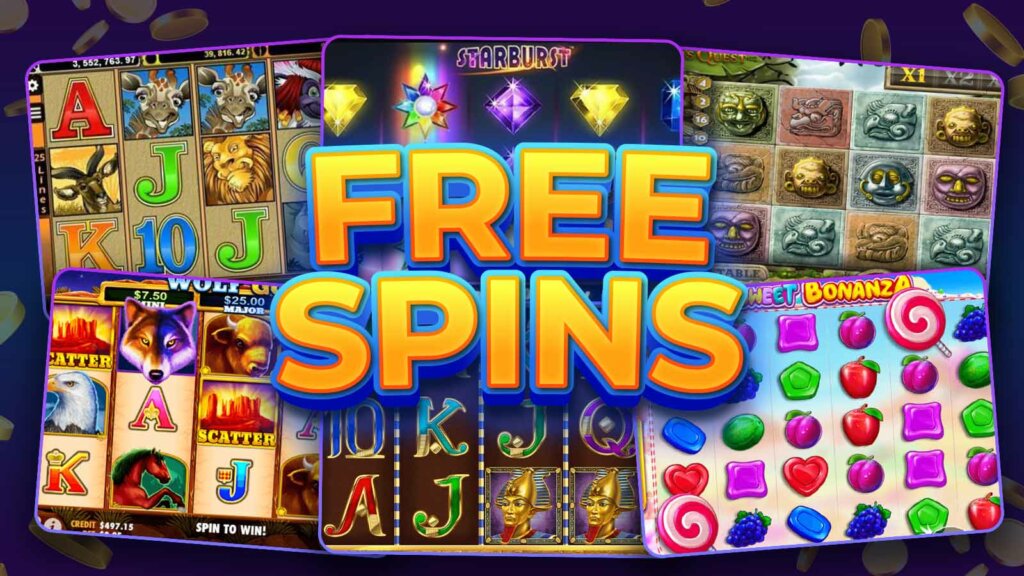
We observed that devoting just ten minutes watching the ticker before depositing can help you develop a shortlist of games that fit your chosen play style. If the feed reveals a consistent flow of wins between CAD 10 and CAD 50 on a particular slot, that game is likely a low‑risk slot that will sustain a modest bankroll with numerous small hits. Conversely, if a game appears only a few times but with wins above CAD 500, it suggests high volatility where patience and a larger balance are required. This rapid glance isn’t a replacement for reviewing the game’s volatility rating, but it delivers practical proof that’s often more intuitive than technical jargon. For Canadian players who prefer a blend of casual and high‑risk sessions, this pre‑selection method saves time and minimizes the number of disappointing first spins. It’s like a volatility reference chart created by the community.
Using the Display to Control Your Bankroll
Aside from game selection, the live win feed can act as a pacing mechanism. We experimented with a individual rule: if the ticker showed no wins above CAD 100 on our preferred slot for more than 15 minutes, we would change to a alternative title or lower our bet size. This is no a assured strategy, but it brought in a methodical checkpoint that prevented us from mindlessly pouring funds into a game that looked to be in a extended dry spell for the whole player base. The cognitive benefit of maintaining an outer, data‑based trigger to reevaluate your session is substantial. It transfers decision‑making from an emotional reaction to an observation of collective outcomes, which aligns well with the principles of responsible gambling that Canadian regulators increasingly emphasize—and it kept us from chasing losses. This rule maintained us disciplined during testing.
- Set a time‑based observation window before allocating real money to a new game.
- Match the bet sizes of winning spins with your own usual stake to assess whether the shown wins are applicable to your budget.
- Utilize the feed to recognize games that are actively being played by many users, as high player traffic often relates to a active, well‑maintained title.
- Avoid the urge to deposit more just because you see a large win on a game you have not attempted; the next spin is constantly independent.
We also noticed that the feed can help you uncover games you might normally overlook. Multiple times, a recurring game title in the feed with steady moderate wins encouraged us to explore a slot we’d never considered, and in two cases those titles became regular additions to our testing rotation. This fortunate discovery adds a layer of utility beyond transparency—it turns the feed into a real exploration tool, something static lobby filters cannot match.
Why Canada Why This Feature Resonates North of the Border
Oversight Gaps and User Need for Transparency
The online casino environment in Canada is a mosaic of provincial monopolies and foreign sites, so users face vastly varied trust signals depending on where they play. In government‑run provinces, people expect detailed payout reports and publicly audited returns. When those same players switch to international platforms like Malina Casino, they look for similar integrity markers. A live winning numbers display bridges that expectation gap by offering a steady, visible flow of outcomes—not unlike a provincial lottery draw, just faster and digital. We suspect that’s a big reason this feature resonates with Canadian users who might otherwise hesitate to deposit on a nonregulated platform. That familiarity helps lower the barrier.
Regional Views Toward Information and Verification
Our interactions with Canadian gaming communities show a clear preference for evidence-supported statements over fancy advertising. Whether it’s the comprehensive payout tables on provincial lottery websites or the third-party testing seals players actively search for, the demand for proof runs deep. Malina Casino’s display taps directly into this mindset by providing a constant, verifiable data stream that any player can capture and compare with their own game histories. It converts the casino from a black box into a glass box, at least for the outcome side of the equation. While no transparency feature can substitute for proper regulation, this level of openness plays a major role in satisfying the analytical nature of the Canadian player base.
We also observed that language options on the platform, including Canadian French, makes the display available to a wider audience within the country. The currency localization we mentioned earlier is another small but significant nod to the Canadian market—someone in Vancouver sees the same CAD values as a player in Halifax without adjusting preferences. These details, when combined with the winning numbers feature, create a unified feel that feels tailored rather than off‑the‑shelf, a distinction that matters in a crowded market where players have dozens of other options. In that kind of market, that individualized feel makes all the difference.
 Arrival City Arrival City |
|
 Departure City Departure City |
|
 Lodging Level Lodging Level |
|
 Trip Grade Trip Grade |
|
 Attractions Attractions |
|
 Activity Activity |


